TakeCareNet Practical care for every family, every day

TakeCareNet

Practical care for every family, every day

Latest Articles

The Gravy Can Stay: A Holiday Meal Strategy for New Prescriptions
Preventive Health

The Gravy Can Stay: A Holiday Meal Strategy for New Prescriptions

A new prescription doesn’t have to turn the holiday table into a minefield. Here’s a calm, practical way to spot the food-and-medication collisions that matter, fill out a one-page card with your pharmacist, and know when a strange symptom after dinner deserves a call.

Before They Ask for the Clipboard: Three Papers That Give Your Family a Voice
Caregiving

Before They Ask for the Clipboard: Three Papers That Give Your Family a Voice

A hospital desk can feel like a locked door when your family is scared and someone you love cannot speak for themselves. These three documents—a health care proxy, an advance directive, and a signed HIPAA authorization—each do a different job. Here is how US families can sort them out before a crisis, not during one.

The Understudy File: A Caregiver's Backup Plan for the Day You Can't Show Up
Caregiving

The Understudy File: A Caregiver's Backup Plan for the Day You Can't Show Up

Most family care plans quietly assume the main caregiver never gets sick, sidelined, or burned out. This practical guide helps US families build a caregiver understudy file — a one-page snapshot, cross-trained helpers, medication notes, permissions, and a low-stakes trial run — so care keeps going even when you can't be there.

Pass the Peas, Then the Health History: A Dinner-Table Script for Families
Preventive Health

Pass the Peas, Then the Health History: A Dinner-Table Script for Families

Most families intend to write down their health history and never quite get around to it. This is a low-pressure, 20-minute way to start the conversation at dinner, capture the details that matter for US screening decisions, and keep the record current without turning dessert into an interrogation.

When the Bottles Outlive the Prescription: A Kind, Practical Guide to Clearing Out Old Meds
Caregiving

When the Bottles Outlive the Prescription: A Kind, Practical Guide to Clearing Out Old Meds

Every caregiving household ends up with one: a drawer of discontinued pills, expired prescriptions, and bottles left behind after a move or a death. Here’s a calm, US-specific plan for getting rid of them safely—without shame or guesswork.

The Discharge Folder Isn't a Plan — Your First 48 Hours Home, Decoded
Caregiving

The Discharge Folder Isn't a Plan — Your First 48 Hours Home, Decoded

Hospitals hand you a folder and a wheelchair ride, then the front door closes and it's all on you. Here's a calm, hour-by-hour way to turn that paperwork into an actual plan — without pretending anyone in the house has slept.

When the Grid Goes Quiet: A Caregiver's Plan for the Machines That Keep Someone Well
Caregiving

When the Grid Goes Quiet: A Caregiver's Plan for the Machines That Keep Someone Well

A power outage is a nuisance for most households and a countdown clock for families managing refrigerated medication, oxygen, a CPAP, or dialysis. Here's how to build a calm, practical outage plan before the weather turns.

Before the Next Near-Miss: A Room-by-Room Home Check for Aging Parents
Preventive Health

Before the Next Near-Miss: A Room-by-Room Home Check for Aging Parents

Most falls happen at home, but many of the riskiest spots are easy to miss until something goes wrong. This practical room-by-room walkthrough helps families spot small hazards and make low-cost fixes that support independence instead of taking it away.

Beyond the Number on the Scale: The Home Vitals Worth Learning as a Family
Preventive Health

Beyond the Number on the Scale: The Home Vitals Worth Learning as a Family

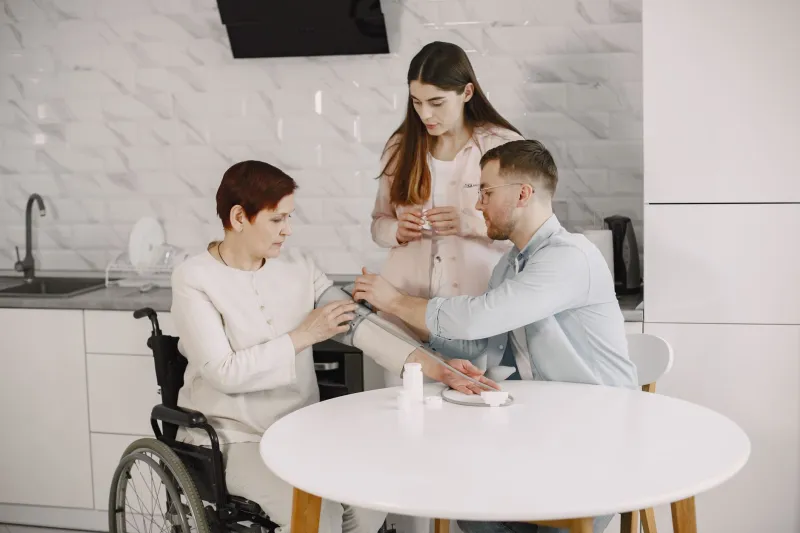
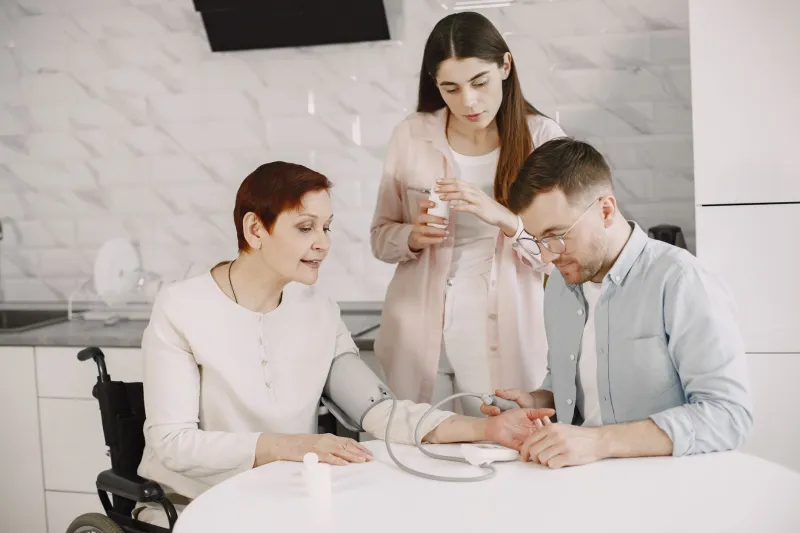
Blood pressure, pulse, temperature trends, and grip strength tell a richer story about your family's health than any bathroom scale ever could. Here's how to take them at home, what the numbers actually mean, and when to pick up the phone.

Thirst Doesn't Knock Anymore: A Caregiver's Guide to Catching Dehydration Early
Caregiving

Thirst Doesn't Knock Anymore: A Caregiver's Guide to Catching Dehydration Early

After 60, the body's thirst alarm mostly goes quiet—which is why dehydration sneaks up on older adults and lands them in the emergency room. Here's how to read the quiet signals and build a five-minute daily check that keeps small problems small.

Sixty Minutes on Sunday: The Family Ritual That Keeps Everyone Healthier
Preventive Health

Sixty Minutes on Sunday: The Family Ritual That Keeps Everyone Healthier

You don't need a wellness overhaul to keep your household running well — you need one predictable hour a week. Here's how a simple Sunday routine covers meals, medications, appointments, and everyone's emotional temperature before Monday arrives.

Green Light, Yellow Light, Red Light: The Symptom Guide Your Family Cabinet Is Missing
Preventive Health

Green Light, Yellow Light, Red Light: The Symptom Guide Your Family Cabinet Is Missing

Most households have a junk drawer full of expired thermometers and half-used ointment, but no plan for what to do when someone starts feeling awful. Here's how to build a simple three-color triage chart that tells you when to wait, when to call, and when to go — before the panic sets in.

Before Anyone Raises Their Voice: A Blueprint for the Family Care Meeting
Caregiving

Before Anyone Raises Their Voice: A Blueprint for the Family Care Meeting

When siblings disagree about Mom's care or Dad's driving, one poorly run conversation can splinter a family for a decade. Here's a practical, no-drama framework for sitting down together — complete with a sample agenda and scripts for the hard moments.

Side by Side, Eyes Forward: What Your Parent Tells You Between Errands
Caregiving

Side by Side, Eyes Forward: What Your Parent Tells You Between Errands

The doctor's office gets 15 minutes. The drive home gets 40 — and often, the truth. Here's how to turn ordinary windshield time into the most honest health check your family has.

What's Really on Your Nightstand? A Gentle Inventory of Your Sleep Habits
Preventive Health

What's Really on Your Nightstand? A Gentle Inventory of Your Sleep Habits

Your bedside table tells a story — about your stress, your routines, and how well you're actually resting. Here's how to read it honestly, plus a simple one-week wind-down experiment the whole family can try.

The 2 A.M. List: Building a Small Circle of People Who'll Actually Pick Up the Phone
Caregiving

The 2 A.M. List: Building a Small Circle of People Who'll Actually Pick Up the Phone

When a health scare hits in the middle of the night, the ER isn't always the answer — but a trusted neighbor might be. Here's how to build a micro-support network before you need it, complete with scripts for asking and a simple one-page call list.

Loneliness Has a Readout: What Your Circle of Friends Says About Your Health
Preventive Health

Loneliness Has a Readout: What Your Circle of Friends Says About Your Health

Researchers now link chronic loneliness to heart disease, memory loss, and weaker immunity — and some doctors are screening for isolation the way they check blood pressure. Here's what the science says and how even the busiest families can build connection into ordinary days.

Stuck in the Waiting Room? Here's How to Make That Time Count
Preventive Health

Stuck in the Waiting Room? Here's How to Make That Time Count

Waiting rooms, pharmacy lines, and lab draw stations steal hours from our weeks — but they don't have to be wasted ones. With a little prep, that dead time can become your family's most productive health admin block. Here's how to build a simple waiting room kit and turn downtime into real progress.

One Binder to Rule Them All: Setting Up Your Family's Home Health Hub
Caregiving

One Binder to Rule Them All: Setting Up Your Family's Home Health Hub

When a health scare hits, the last thing you want to do is hunt through kitchen drawers for an insurance card. Here's how to build a single, organized hub — physical or digital — that keeps your family's medical life in one calm, findable place.

Fifteen Minutes, Full Attention: A Patient's Guide to Being Heard at the Doctor's Office
Preventive Health

Fifteen Minutes, Full Attention: A Patient's Guide to Being Heard at the Doctor's Office

Rushed appointments are a fact of American healthcare, but leaving with unanswered questions doesn't have to be. Here's how to shape your symptom story, pick your words carefully, and advocate for yourself without turning your doctor into an adversary.