Side by Side, Eyes Forward: What Your Parent Tells You Between Errands
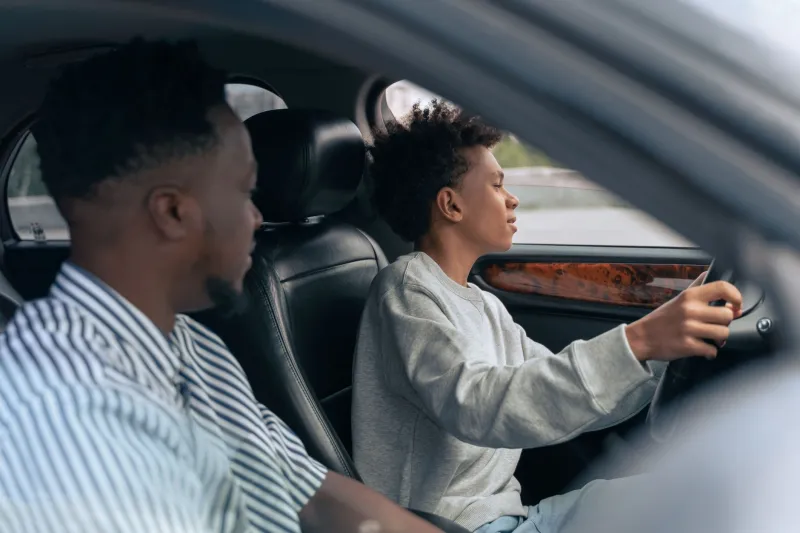
The Best Exam Room Has Four Wheels and a Radio
There's a quiet irony in family caregiving: we spend weeks preparing for the appointment itself — the question list, the medication bottles, the notebook — and then treat the drive to and from it as dead time. But ask anyone who's been doing this for a while, and they'll tell you the same thing. The real conversation happens somewhere around mile three, when your parent is looking at the road instead of at you.
Sitting side by side, both of you facing forward, removes the pressure of eye contact. There's no table to lean over, no clinical lighting, no sense of being assessed. For older adults who've spent a lifetime being the capable one in the room, that sideways posture can feel safer than any exam room in America. It's the same reason difficult conversations happen between parents and teenagers in the car — nobody has to watch anybody's face while they say the hard thing.
If you're the adult child who drives your mom to cardiology or your dad to his infusion appointments, you're sitting on one of the most underused diagnostic tools in family caregiving. Not to replace doctors — never that — but to notice what doctors will never get the chance to see.
What the Road Reveals
A clinician sees your parent for a quarter of an hour in a controlled setting. You see them navigate a parking garage, remember which entrance is for which clinic, and get from the car to the waiting room. Those in-between moments are full of information.
Pay gentle attention to patterns, not single events:
- Names slipping in familiar places. Missing the turn to a pharmacy they've used for a decade once is nothing. Twice a month is worth a conversation with their doctor.
- The energy ledger. Do they rally for the appointment and go silent on the ride home? Exhaustion after routine visits can flag something worth mentioning — sleep issues, medication side effects, depression.
- Hands and grip. Struggling with the seatbelt, the door handle, the parking ticket. Small motor changes often show up here first.
- What they don't mention. If the appointment summary never matches what you heard them describe in the car, that gap matters. Many older adults minimize symptoms to a clinician and then tell the truth to the person in the passenger seat.
None of this is about surveillance. It's about being a second set of eyes for someone whose health story is bigger than any single appointment can hold.
Ask Better Questions Without Asking at All
The mistake most of us make is turning the car into an interview room. "So what did the doctor say? Are you remembering to take the pills? How's your memory been?" Three questions in a row and your parent clams up for the rest of the ride.
Instead, borrow a trick from long-haul truckers and talk radio hosts: comment, don't interrogate.
- "That waiting room was packed today. Do they always run that far behind?" opens a door to how they felt about the visit without demanding a report.
- "I've been sleeping terribly lately — you ever have weeks like that?" invites them to compare, and comparison is how most people admit their own struggles.
- Silence is a strategy. Give it ten seconds after a question. Older adults, especially, will fill quiet with things they'd never volunteer under pressure.
And don't script every drive. Some of the most valuable rides are the ones with no appointment attached — the hardware store run, the drive-through, the long way to church. Casual trips lower the stakes and, with them, everyone's guard.
When You Hear Something That Worries You
So your dad mentions, halfway across the bridge, that he's been getting dizzy standing up. Your first instinct is to spin around and demand details. Resist it. You have the rest of the drive — use it.
Ask the follow-ups that matter: How long has that been going on? Does it happen every time? Have you mentioned it to anyone? Then, and this is the crucial part, write it down. Keep a running note on your phone — date, what was said, context. Three months of entries turns a vague worry into something concrete you can bring to their physician, with permission.
That last phrase matters. Your parent gets to decide what you share and what stays in the car, unless safety is immediately at stake. Making that boundary explicit — "Hey, unless you say otherwise, what you tell me stays between us, but I'd love your okay to mention the dizziness to Dr. Patel" — builds the trust that keeps future conversations flowing.
Make the Drive Work for Both of You
A few practical habits worth building:
- Alternate who drives. If your parent still drives partway, that's its own ongoing assessment of reaction time and confidence.
- Build in a buffer. Arriving ten minutes early means the conversation happens before the appointment, when they're calm — not in a stressed rush.
- Grab a coffee after. The post-appointment debrief lands better over a $4 latte than in a parking garage.
- Recruit siblings for rotations. Different kids hear different things. A shared note keeps everyone on the same page.
The Takeaway
Nobody signs up for caregiving because they love driving to medical offices. But those hours in the car are a rare gift: unstructured, side-by-side time with someone you love, on a regular schedule. Treat them as errands and they'll stay errands. Treat them as the ongoing conversation they already are, and you may catch the small things early — the dizziness, the forgotten street, the fear they'd never say out loud across a kitchen table.
The appointment is fifteen minutes. The ride home is where the rest of the story unfolds. Keep your eyes on the road, and your ears open.


