The Twice-a-Year Cabinet Reset: A Family Ritual for Safer Sick Days
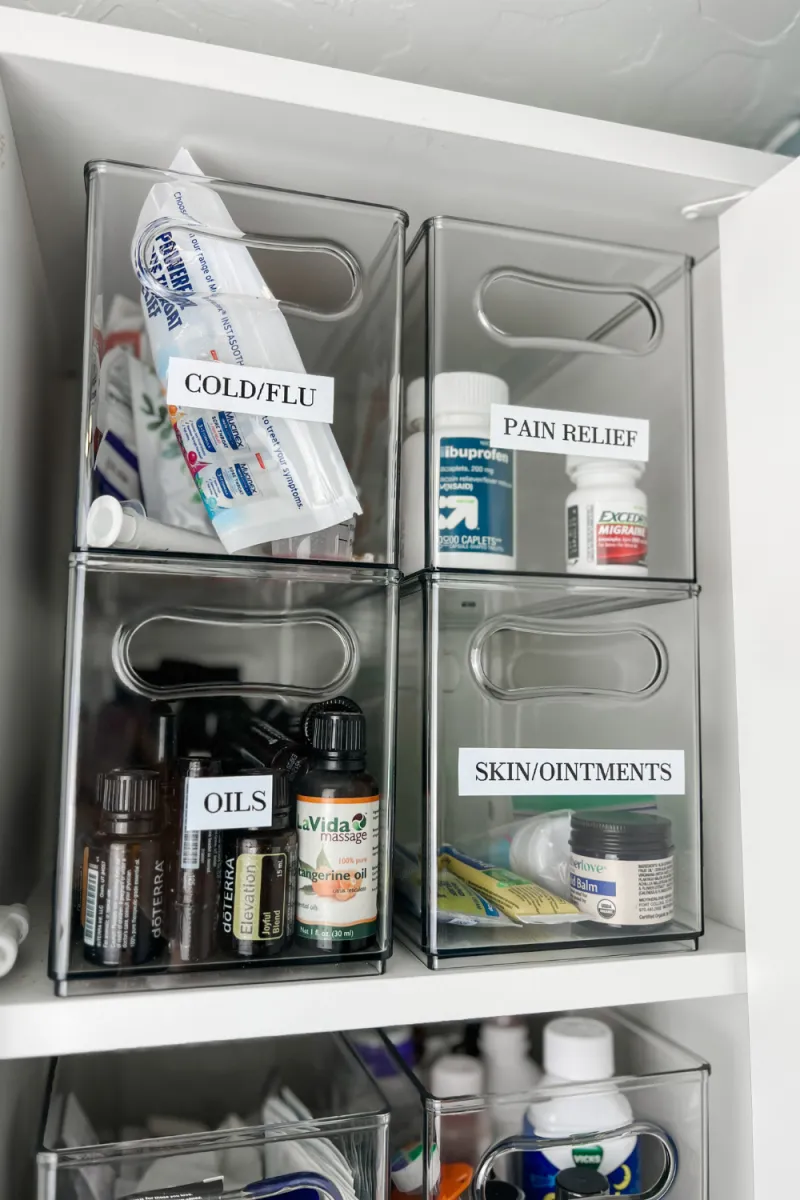
Photo: organized medicine cabinet with first aid supplies on white shelf, via i.pinimg.com
There's a specific kind of panic that comes from digging through a jumbled drawer at midnight, holding up a bottle of children's fever reducer and squinting at the expiration date by phone light. If you've been there, you already understand why we're suggesting a new household tradition.
Call it the Cabinet Reset: twice a year — we like the weekends when the clocks change, since daylight saving time is already the official nudge to check smoke detectors — you and your family spend thirty minutes going through your home health supplies together. Toss what's expired, restock what's missing, and know exactly where everything lives before the next stomach bug or sprained ankle arrives.
Why Expiration Dates Deserve Your Attention
Most medications don't turn dangerous the day after they expire — they just get weaker. That matters most for things you're relying on in a pinch: EpiPens, epinephrine in general, insulin, and liquid antibiotics. The FDA has studied many common drugs and found most retain potency well past their printed dates, but there's no reliable way to eyeball whether last year's cough syrup is still doing anything.
A few hard rules worth following:
- Toss anything discolored, cloudy, separating, or smelling off, even if the date says otherwise.
- Replace expired emergency medications immediately — epinephrine auto-injectors and rescue inhalers aren't the place to gamble.
- Check first-aid staples too. Antiseptic solutions and adhesive bandage pads lose their sterility and stick over time.
Don't Just Trash It: Disposing of Old Meds Safely
That half-finished prescription bottle shouldn't go down the toilet (with a handful of exceptions the FDA flags as flush-listed) and definitely shouldn't go in the trash where kids, pets, or curious strangers can reach it.
Your best options, in order:
- Drug take-back events. The DEA sponsors National Prescription Drug Take Back Days each spring and fall — conveniently, right around your Cabinet Reset weekends. Many police departments and pharmacies also keep permanent drop-off bins year-round.
- Mail-back envelopes. Some pharmacies and health systems sell or provide them free.
- The DIY method, as a last resort. Mix pills with something unappealing — used coffee grounds, cat litter — seal it in a bag, and bury it in the trash. Scratch out personal info on the label first.
The 15-Item Baseline Every Home Should Have
Once you've cleared the clutter, audit your shelves against this list. It's not a hospital; it's just enough to handle the everyday stuff confidently.
- Digital thermometer (with fresh batteries)
- Pain and fever relief for adults — acetaminophen or ibuprofen
- Children's/formula-specific fever reducer if you have kids
- An oral rehydration solution or electrolyte packets
- Antihistamine for allergic reactions
- Adhesive bandages in assorted sizes
- Sterile gauze pads and medical tape
- Antibiotic ointment
- Hydrocortisone cream for bites and rashes
- tweezers and small scissors
- Instant cold packs (or a reusable gel pack in the freezer)
- Saline spray or drops
- Antacids or anti-diarrheal medication
- Current prescriptions, in original labeled containers
- Emergency contact card — including your pharmacy's number and your family's medication list
Make It a Family Affair
Here's the part that turns a chore into a ritual. Assign age-appropriate jobs: little kids can sort bandages by size, teens can look up your nearest take-back location, and everyone learns where the supplies actually live. Add a snack, put on music, and treat it like the seasonal reset it is.
One last tip: snap a photo of the finished cabinet and your medication list, and store it on your phone. When you're standing in a pharmacy three states from home wondering what your kid is allergic to, you'll be grateful you did.
Printable checklist coming with this article — tape it inside the cabinet door so the next reset is already on the calendar.