The Bill You Can Actually Read: How Families Can Take Charge of Medical Costs
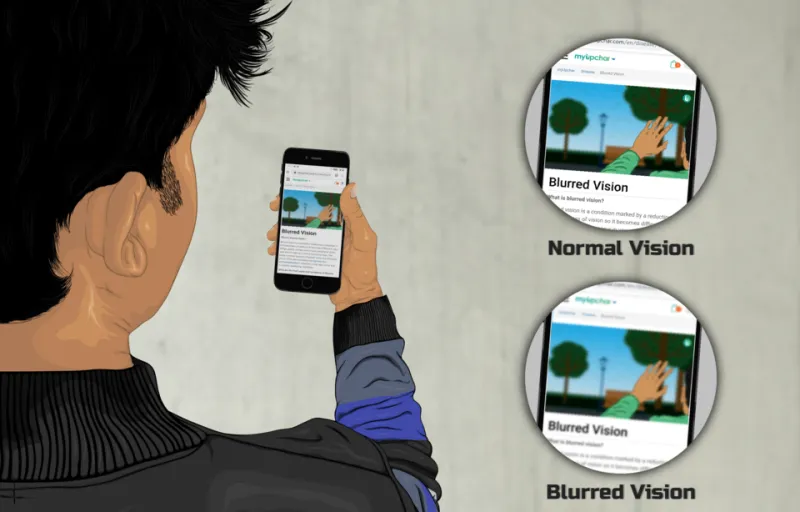
Photo: https://www.myupchar.com/en, CC BY-SA 4.0, via Wikimedia Commons
Somewhere between scheduling a routine checkup and opening the envelope three weeks later, American families lose the thread. The bill arrives with codes, jargon, and a number that may or may not be right — and most of us pay it because decoding it feels impossible.
It doesn't have to be. Understanding the money side of healthcare is a form of preventive care for your wallet, and it's learnable in an afternoon. Here's what to know before your next appointment, statement, or surprise bill shows up.
Meet Your Most Important Document: the EOB
After any visit, your insurance company sends an Explanation of Benefits (EOB) — and no, it's not a bill, even though it looks like one. It's a receipt of what happened: what the provider charged, what your plan agreed to pay, what was discounted, and what's left for you.
The line to care about is "patient responsibility." That's your estimated share. Compare it against what the provider eventually bills you. If the numbers don't match, or you get a bill for services your EOB says were covered, that's your cue to pick up the phone.
Pro tip: check the CPT codes listed. They should match the visit you remember. A routine physical billed as something more complex is one of the most common billing errors — and one of the easiest to fix with a call.
Before the Appointment: Three Questions That Save Money
For anything non-urgent — a screening, a procedure, a specialist visit — ask the provider's billing office:
- "What's the total estimated cost, including facility fees?" Facility fees at hospital-owned practices can double the price of an identical service.
- "Can you give me a cash-pay price?" Uninsured and even insured patients sometimes get a lower rate paying cash than going through insurance.
- "Are you in-network with my plan?" Get the answer in writing or note the name of who told you.
Under the federal No Surprises Act, you can also request a good faith estimate if you're uninsured or self-pay — and if the final bill exceeds it by $400 or more, you have grounds to dispute.
The Scripts That Work
When a bill looks wrong, use plain, confident language:
- For a billing error: "I'm reviewing my EOB for [date of service] and the amount billed doesn't match my insurer's patient responsibility. Can you reprocess this claim?"
- For a steep balance: "I want to take care of this. What discounts, financial assistance, or interest-free payment plans do you offer?" Nonprofit hospitals are legally required to have financial assistance policies — ask for the application.
- For negotiating: "I can pay $X today if we can settle the balance at that amount." Many providers accept a lump-sum discount rather than chase payments for months.
Put every agreement in writing or get a confirmation number. A promise over the phone has a way of evaporating.
When the System Cheaper Is Also the Smart Choice
Preventive care is where the cost math really works in your favor — and where families often overpay out of habit:
- Community health centers (find them at findahealthcenter.hrsa.gov) offer sliding-scale fees based on income, no insurance required. Many provide well-child visits, vaccinations, and chronic disease management.
- Federally required free preventive services: under the ACA, most plans cover annual physicals, blood pressure checks, mammograms, colonoscopies, and childhood vaccines at $0 cost — when billed as preventive. If you got charged for a "screening" that should have been covered, appeal it; the coding matters.
- Pharmacy comparisons: cash prices for the same generic drug can vary wildly between chains. Apps like GoodRx cost nothing and take two minutes to check.
- Urgent care vs. ER: for sprains, stitches, and fevers in older kids, urgent care typically costs a fraction of an emergency room visit.
Disputing a Surprise Bill, Step by Step
- Don't pay yet. A bill in dispute isn't a bill in default.
- Request an itemized bill. Providers must give it. Look for duplicate charges, services you didn't receive, and upcoded procedures.
- Call both the provider and your insurer. Errors often live in the space between the two.
- File a formal appeal with your insurer if a claim was denied — many denials are reversed on first appeal, especially with a doctor's letter of medical necessity.
- Escalate if needed. Every state has an insurance commissioner with a consumer complaint process, and the No Surprises Act protects you from many out-of-network charges at in-network facilities.
An Ounce of Paperwork Beats a Pound of Regret
Keep a simple folder — paper or digital — with your EOBs, itemized bills, and notes from every call (date, name, what was promised). Families who track this catch errors that quietly cost hundreds, and they walk into appointments asking better questions.
Healthcare in the US is complicated, but you're not powerless in it. Ask for the estimate. Read the EOB. Question the number that doesn't make sense. Every dollar you keep in your budget is a dollar available for the things preventive care is really about — feeding your family well, staying active, and showing up for the checkups that keep small problems small.